






Mastering the Art of Partnering with Custom Resin Figurine & Art Toy Manufacturers: A Strategic Guide for B2B Brands
Dec 20,2025 - resin figurine resin art toy art toy business
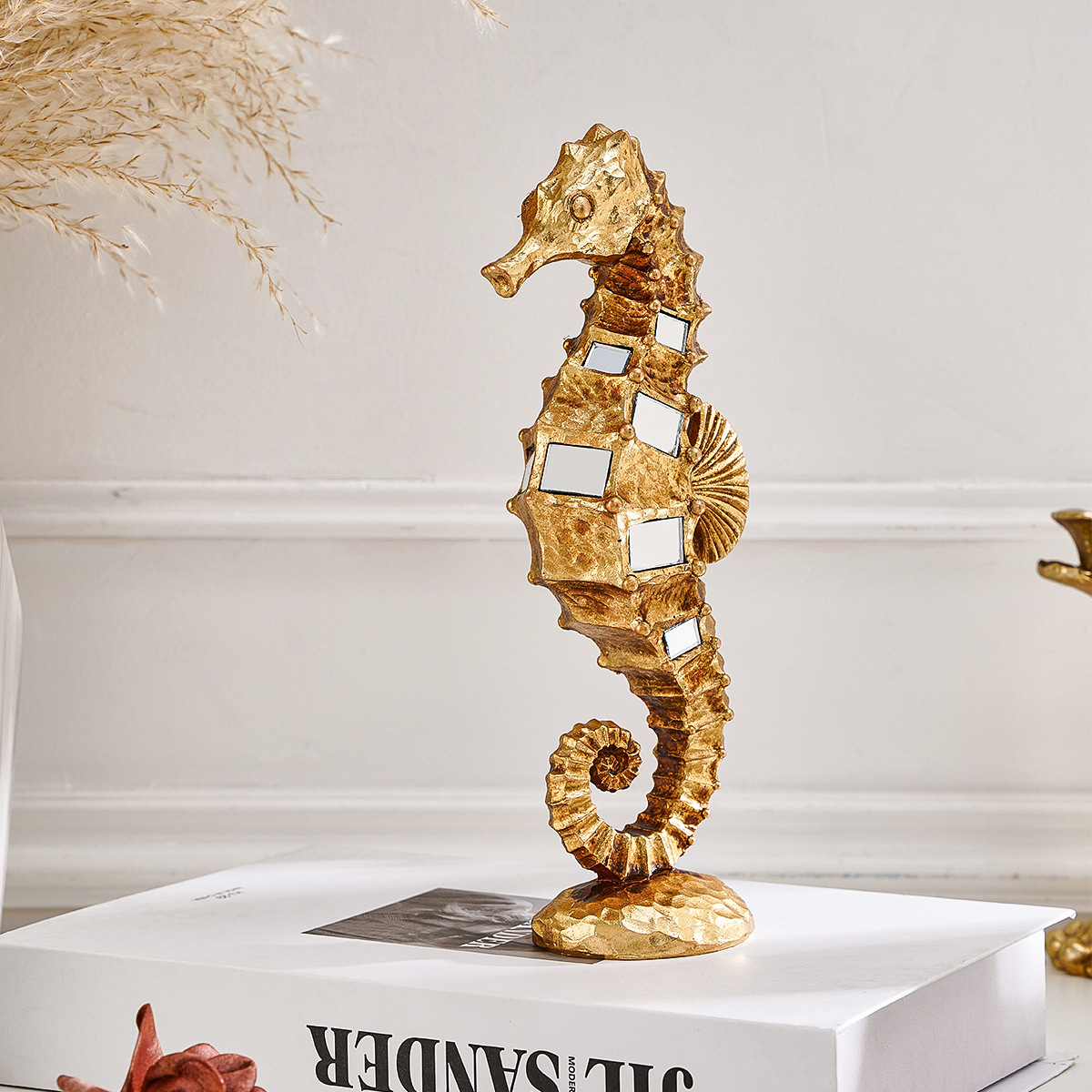
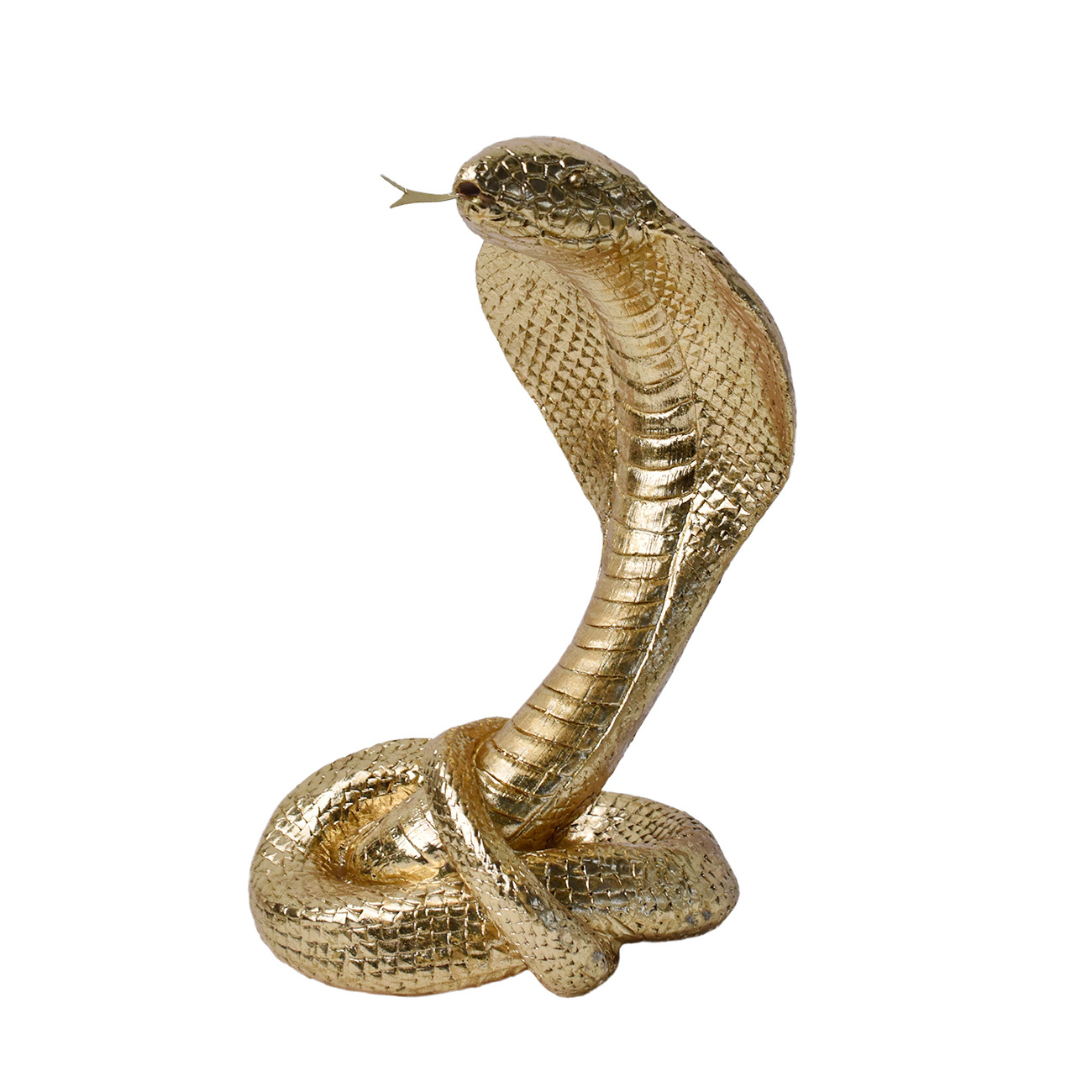
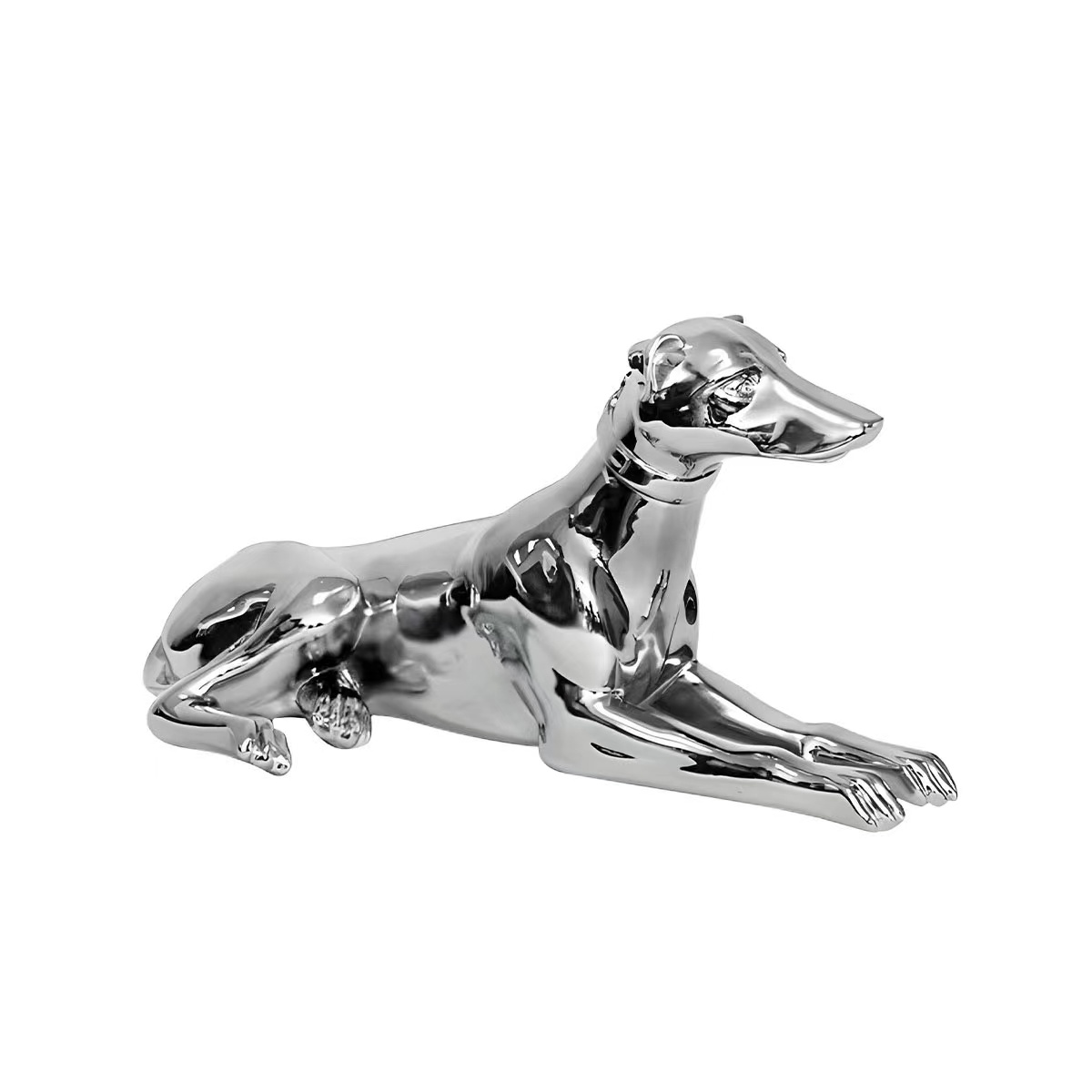
As the art toy market booms and collectors increasingly seek exclusive, artistically crafted pieces, custom resin figurines and art toys have become pivotal for B2B brands aiming to deepen audience connections, amplify brand storytelling, and carve out niches in competitive markets. Whether launching limited-edition artist collaborations, branded collectibles, or IP-driven art toys that blend creativity with collectibility, the success of turning vision into tangible products hinges on selecting the right manufacturing partner. This guide distills the critical considerations for B2B brands navigating the custom resin figurine and art toy landscape, offering actionable insights to forge fruitful partnerships and deliver standout products.
1. The Craft & Precision of Custom Resin Figurine & Art Toy Production
Creating exceptional custom resin figurines and art toys demands a blend of artistic rigor and manufacturing expertise. Below is a breakdown of the core production stages, tailored to the unique needs of art-forward products:
1.1 Artistic Alignment & Concept Refinement
Unlike mass-produced toys, art toys and resin figurines rely on distinct design identities. The manufacturer should act as a collaborative partner, refining 2D concepts to preserve artistic intent while ensuring structural feasibility. This may involve tweaking proportions, adjusting sculptural details, or optimizing texture references to translate seamlessly from digital art to physical form.
1.2 3D Sculpting & High-Fidelity Prototyping
Artistic precision is paramount here. Skilled sculptors use industry-leading tools like ZBrush or Maya to craft detailed 3D models that capture the soul of the art toy. For custom resin figurines, prototyping typically leverages SLA or SLS 3D printing to produce high-fidelity samples, enabling brands to assess sculptural nuances, texture depth, and overall aesthetic before advancing to mold creation.
1.3 Specialized Mold Engineering for Resin
Resin’s unique ability to replicate intricate details and achieve varied surface finishes requires specialized mold craftsmanship. High-quality molds—often silicone for small batches or steel for scaled production—ensure:
- Crisp reproduction of fine details (e.g., hand-painted accents, sculpted textures)
- Uniform resin flow to eliminate bubbles or imperfections
- Durability for repeat use (essential for limited-edition runs or future reorders)
1.4 Resin Casting & Artisanal Finishing
Resin casting is often a semi-handcrafted process, particularly for art toys. Manufacturers must meticulously control curing times and resin formulations to achieve desired hardness, transparency, or color. Post-casting, artisanal finishing—including sanding, polishing, and hand-painting—elevates the product’s premium feel, making it stand out in the collectible market.
1.5 Curated Quality Assurance & Packaging
Quality control for custom resin figurines and art toys goes beyond standard checks. It encompasses:
- Verification of sculptural accuracy against the original design brief
- Inspection of resin quality (no cracks, bubbles, or discoloration)
- Assessment of paint application (precision, consistency, and adherence to color palettes)
- Evaluation of packaging that safeguards the product while reflecting its artistic value (e.g., custom-printed boxes, protective inserts, or collector-centric labeling)
2. Critical Evaluation Metrics for B2B Brands
When selecting a manufacturer for custom resin figurines and art toys, B2B brands must prioritize factors that align with the art toy market’s unique demands—creativity, craftsmanship, and unwavering attention to artistic detail.
2.1 Specialization in Art Toys & Resin Craft
Not all toy factories excel at art toys or resin work. Seek manufacturers with a focused portfolio showcasing:
- Custom resin figurines (limited editions, artist collaborations)
- Designer art toys (vinyl-resin hybrids, sculptural art pieces)
- Licensed art toy projects (IP-based collectibles with artistic reinterpretation)Specialization ensures the team understands the aesthetic and technical nuances of art-forward products, minimizing the risk of diluting creative vision.
2.2 Collaborative Artistic Capabilities
Art toys thrive on partnership. The ideal manufacturer should offer more than production—they should act as a creative ally by:
- Providing art direction support for brands without in-house design teams
- Recommending materials that enhance artistic concepts (e.g., translucent resin for glow-in-the-dark effects)
- Adapting sculptural details to balance artistry and manufacturability
2.3 Deep Resin Material Expertise
Resin comes in diverse formulations, each suited to specific artistic and functional needs. A knowledgeable manufacturer should guide brands on options such as:
- Epoxy resin (high gloss, durable, perfect for detailed figurines)
- Polyurethane resin (flexible, lightweight, ideal for articulated art toys)
- Specialty resins (translucent, metallic, or color-changing for unique visual effects)Expertise in resin handling also ensures compliance with safety standards (e.g., low VOC emissions) and consistent quality across batches.
2.4 Transparent Communication & Creative Alignment
Misalignment on creative details can derail art toy projects. Top manufacturers prioritize:
- Clear timelines for sculpting, prototyping, and production
- Regular sharing of work-in-progress (WIP) images and 3D renders
- Open dialogue about design adjustments (rooted in artistry and feasibility)
- Transparent pricing for customizations (e.g., hand-painting, specialty resin, or complex sculpting)
2.5 Rigorous QC for Artistic Excellence
For collectible art toys and resin figurines, quality directly impacts perceived value. A robust QC process should include:
- Pre-production mold inspections to ensure detail accuracy
- Batch testing of resin mixtures for consistency
- Individual checks of hand-painted elements (no smudges, precise color matching)
- Final product reviews against the original design brief
3. Cost Dynamics for Custom Resin Figurines & Art Toys
Art toy production costs differ from mass-market toys, with pricing shaped by artistic complexity and material specificity. Here’s what B2B brands need to consider:
3.1 Key Cost Drivers
- Resin type: Specialty formulations (e.g., glow-in-the-dark, marble-effect) cost more than standard resin.
- Sculptural complexity: Intricate details (e.g., fine hair, layered clothing) require additional sculpting time and precise mold work.
- Finishing work: Hand-painting, metallic accents, or textured surfaces increase labor costs.
- Order quantity: Resin figurines often have lower MOQs (minimum order quantities) than PVC toys, but unit costs decrease with larger runs.
- Packaging: Collector-focused packaging (e.g., embossed boxes, accompanying art prints) adds to the overall investment.
3.2 MOQ Flexibility
Many art toy manufacturers offer flexible MOQs (starting from 50–100 units), making them accessible for:
- Emerging brands launching limited-edition lines
- Artist collaborations with niche audiences
- Brands testing new IPs in the art toy marketEstablished brands seeking large-scale production (500+ units) should confirm the manufacturer’s capacity to maintain quality across high volumes.
3.3 Long-Term Value vs. Upfront Costs
While custom resin molds and artisanal finishing carry higher upfront costs, they deliver long-term value by:
- Enhancing collectibility (premium quality drives resale value and brand loyalty)
- Enabling mold reuse for reorders or line extensions
- Reducing the risk of product defects that harm brand reputation
4. Navigating Common Pitfalls in Art Toy & Resin Figurine Production
4.1 Dilution of Artistic Integrity
Problem: Manufacturers may simplify sculptural details or alter color palettes to cut costs.Solution: Choose a partner with a track record of art-forward projects and require sign-off at every critical stage (3D sculpt, prototype, pre-production sample).
4.2 Resin Imperfections
Problem: Poor resin mixing or curing leads to bubbles, cracks, or discoloration—flaws that undermine premium appeal.Solution: Verify the manufacturer’s resin handling expertise, request sample batches, and include resin quality clauses in the contract.
4.3 Delays from Handcrafting Bottlenecks
Problem: Hand-painting and artisanal finishing are time-intensive, leading to missed deadlines.Solution: Agree on clear timelines with buffers for revisions, and confirm the manufacturer has sufficient skilled artisans for your order size.
4.4 Color Mismatches
Problem: Resin’s opacity and paint absorption can cause deviations between prototype and final products.Solution: Use Pantone color matching, request painted samples in various lighting conditions, and require consistent paint batches.
5. Why Global Brands Choose Chinese Art Toy & Resin Figurine Manufacturers
China remains a top destination for B2B brands seeking custom resin figurines and art toys, thanks to its unique blend of artistry, infrastructure, and value:
5.1 Specialized Art Toy Ecosystem
Regions like Shenzhen, Dongguan, and Guangzhou boast clusters of manufacturers focused on art toys and resin work, with access to:
- Skilled sculptors and hand-painters trained in art toy aesthetics
- Suppliers of specialty resins and high-quality paints
- Packaging partners experienced in collector-focused design
5.2 Balanced Artistry & Scalability
Chinese manufacturers excel at merging handcrafted artistry with scalable production, enabling them to:
- Produce limited-edition art toys with intricate details
- Scale up to large runs for established brands
- Adapt to creative changes without sacrificing quality
5.3 Competitive Pricing for Premium Quality
Compared to Western manufacturers, Chinese partners offer more competitive pricing for custom resin work while maintaining craftsmanship—critical for B2B brands balancing profitability and collectibility.
5.4 Fast Turnaround for Time-Sensitive Launches
Streamlined supply chains and experienced teams allow Chinese manufacturers to meet tight deadlines, such as holiday collectible releases, artist collaboration launches, or IP tie-in campaigns.
6. Forging a Long-Term Partnership with Your Manufacturer
To thrive in the art toy market, B2B brands should cultivate long-term collaborations with their custom resin figurine manufacturer:
6.1 Share Your Artistic Vision
Provide detailed briefs including brand identity guidelines, target audience insights, and long-term IP plans (e.g., potential line extensions, reorder needs).
6.2 Involve the Manufacturer Early
Experienced manufacturers can offer valuable input on adapting 2D art for 3D resin sculpting, material recommendations to enhance artistic effects, and cost-saving adjustments that preserve design integrity.
6.3 Maintain Consistent Communication
Regular check-ins (weekly or biweekly) ensure alignment on revisions, transparency on progress, and quick resolution of issues (e.g., resin supply delays, paint shortages).
6.4 Celebrate Collaborative Success
Acknowledge the manufacturer’s role in bringing your art toys to life—this builds loyalty and fosters a proactive, solution-oriented partnership for future projects.
Conclusion
Partnering with the right custom resin figurine and art toy manufacturer is a strategic decision that shapes a brand’s success in the collectible market. By prioritizing specialization, artistic collaboration, material expertise, transparent communication, and quality control, B2B brands can transform creative concepts into high-value products that resonate with collectors, strengthen brand identity, and drive long-term growth. With the right manufacturing ally, the journey from vision to collectible becomes a seamless, collaborative process—one that turns art into lasting business value.